There's a moment, usually unnoticed at first, when freshly washed sheets feel different to how they felt the wash before. Sometimes they're softer. Sometimes they feel slightly firmer or less smooth than you remember. It's easy to wonder if something has gone wrong with the fabric, or with the wash itself.
In reality, this shift is just how good fabric behaves. Bedding isn't a static object sitting on your bed. It responds to water, heat, movement and repeated use, and those interactions gradually shape how it feels, often in ways that reveal exactly how well it's made.
Understanding why sheets change after washing can shift how you think about them entirely. Instead of expecting the same feel every single time, it becomes easier to recognise how different materials evolve, and what that evolution actually means for your comfort over the months and years ahead.

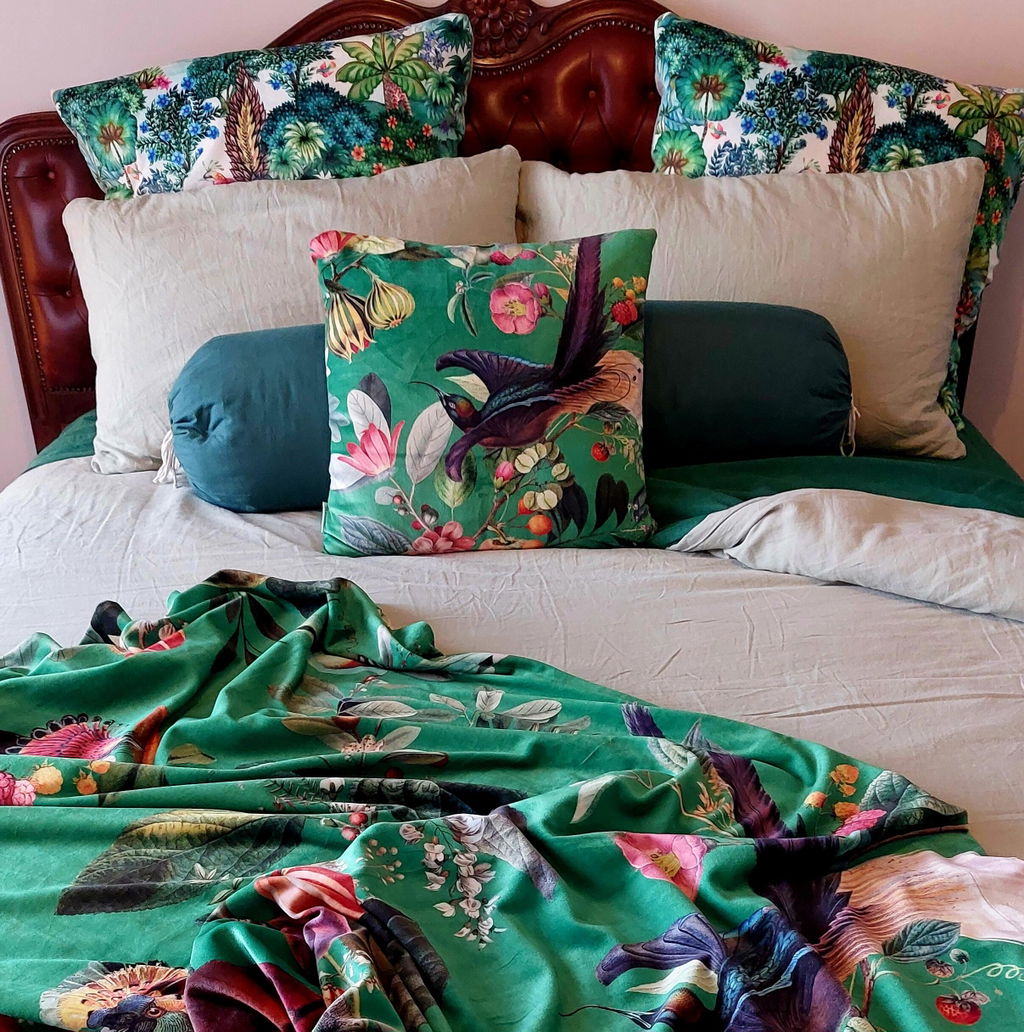
Pure Linen in Flax, showing the relaxed, slightly textured finish that develops with every wash. Shop Pure Linen Quilt Cover Set →
Fabric Is Never Really Fixed
When sheets first come out of their packaging, they tend to feel consistent and controlled. That's because they've been pressed, folded and handled in a way that creates a uniform surface, almost like a showroom finish rather than the fabric's true character.
Once they're washed and used, the fabric starts responding to real conditions. Water relaxes the fibres, movement shifts their structure, and drying changes how everything settles. This process removes that initial uniformity and reveals what the material is actually like underneath.
That's why sheets can feel slightly different after each wash. It isn't inconsistency in the fabric. It's the fabric returning to its natural state. Over time, these changes tend to become more predictable as the material finds a more stable, settled form.
Why Linen Softens Over Time
Linen is one of the clearest examples of fabric evolving with use. Made from flax fibres, it has a natural structure that responds gradually to washing and wear, which is exactly why linen lovers talk about it "getting better with age."
In its earliest stages, linen can feel more structured than people expect. That's not a flaw. It's a reflection of the fibre's strength. With each wash, the fibres relax a little further, softening the overall surface of the fabric.
This softening process is one of linen's defining qualities. Rather than wearing down the way synthetic fabrics do, linen improves. The texture becomes more comfortable while the fabric holds onto its durability, which is part of why it remains a favourite for people who want bedding that keeps getting better rather than needing to be replaced.
Our Pure Linen range in Flax is designed with exactly this in mind. The fabric softens with each wash, creating a feel that becomes more familiar the longer you own it.

A closer look at Pure Linen's airy, softened weave after regular washing. Shop Pure Linen Fitted Sheet →
How Cotton Behaves After Washing
Cotton responds differently to washing, particularly when it's been stonewashed. This process pre-softens the fabric, giving it a relaxed feel right from the very first night, rather than a break-in period.
After washing, cotton can feel slightly firmer at first, especially if it's been air-dried. That's usually down to how the fibres settle as they dry. A brief tumble, or just a night or two of regular use, tends to restore its softness.
Stonewashed cotton is designed to hold a consistent feel while still allowing for some natural variation. The fabric may shift slightly after each wash, but it remains comfortable and familiar throughout.
Our Stonewashed Cotton range in Blush or Slate reflects that balance well. The pre-washed finish creates softness from day one, while the fabric still responds naturally as you continue to use it.

Stonewashed Cotton in Blush, pre-softened for comfort from the first wash. Shop Stonewashed Cotton Quilt Cover →

Stonewashed Cotton in Slate, a relaxed grey tone that softens further with wear.
What actually changes a fabric's feel after washing
Water temperature
Hot water can tighten fibres slightly. Cooler water tends to preserve a softer feel over time.
Drying method
Air drying leaves fabric more structured. Tumble drying introduces movement that softens the surface.
Detergent choice
Harsh formulas can strip fibres over time. Gentler detergents help protect the fabric's natural qualities.
Why Variation Is a Sign of Natural Fibres
One of the clearest differences between natural and synthetic fabrics is how they respond to use. Synthetic materials are usually engineered to feel identical wash after wash, with minimal change.
Natural fibres behave differently. They shift, soften and adapt. That variation isn't a sign of inconsistency. It's a sign of authenticity, and it's part of what makes natural bedding feel genuinely lived-in rather than manufactured to feel the same forever.
With linen and cotton, this means the fabric keeps evolving. Each wash adds to its overall feel, creating a surface that reflects the way it's actually been used, night after night.
What This Means for Long-Term Comfort
| Fabric | How it changes | Best suited to |
|---|---|---|
| Pure Linen | Gradual softening that builds over many washes | Those who want bedding that keeps improving with age |
| Stonewashed Cotton | Soft from the first wash, then remains consistent | Those who want reliable comfort from day one |
Understanding how sheets change over time can shift your expectations for the better. Instead of chasing a fixed feel, it becomes more useful to think about how the fabric performs across months and years of regular use.
Linen offers a gradual softening that builds comfort the longer you own it. Cotton provides a more immediate softness that stays consistent with proper care. Both approaches support a more natural relationship with your bedding, one where the fabric adapts rather than resists change.
If you want bedding that keeps getting better with age — Pure Linen in Flax is the strongest choice. Expect a slightly structured feel at first, softening noticeably over the first several washes.
If you want softness from the very first night — Stonewashed Cotton in Blush or Slate is pre-softened, so there's no real break-in period to wait through.
If you're not sure which you prefer — both fabrics reward proper care. Wash in cooler water, avoid harsh detergents, and let the fabric settle into its natural rhythm over time.
A More Informed Way to Choose Bedding
When you notice your sheets feeling different after a wash, it's usually a sign the fabric is doing exactly what it should, not a problem to fix. These small changes offer a window into the material itself: how it responds to care, how it evolves, and how it will feel for years to come.
Our Pure Linen range and Stonewashed Cotton range are both designed to embrace this natural behaviour, offering comfort that develops with use rather than staying frozen in one state.
In the end, the goal isn't to keep your sheets exactly the same forever. It's to let them become better suited to your everyday life, one wash at a time.
Ready to feel the difference for yourself? Explore the Pure Linen Quilt Cover Set for bedding that softens beautifully with age, or the Stonewashed Cotton Quilt Cover for comfort that's ready from the very first night.