It is easy to assume that time in bed equals good sleep. If you are getting seven or eight hours each night, it can feel like you are doing everything right. Yet for many people, sleep quality tells a different story.
Waking up tired, feeling restless during the night, or hitting a wall of low energy through the day are often subtle signs that something is not quite working. These are not dramatic disruptions. More often, they are small, consistent factors that gradually chip away at how well the body is able to rest.
Sleep is shaped by more than duration. It depends on environment, temperature, materials, and the rhythm of the evening. When even one of these elements is slightly off, the effect can build quietly over time.
Understanding what influences sleep, often in ways that are not immediately obvious, makes it easier to create a bedroom that genuinely supports rest rather than just accommodates it.
The sleep quality gap: what the research shows
16-20°C
The ideal bedroom temperature range for most adults, according to sleep researchers
1-2°C drop
The core body temperature fall that triggers deep sleep onset - bedding should support this, not resist it
45 minutes
How long before bed a wind-down routine should begin to meaningfully improve sleep quality
When Sleep Looks Fine but Does Not Feel Right
One of the most common challenges with sleep is that it can appear sufficient while still feeling incomplete. You fall asleep without difficulty, remain in bed for a full night, and still wake feeling less restored than you should.
This usually comes down to the depth and continuity of sleep rather than the hours on the clock. When the body is repeatedly disturbed, even in small ways, it may not reach the deeper stages of rest that allow for full recovery. A 2017 study published in Sleep Medicine found that even brief micro-arousals during the night, many of which sleepers are not consciously aware of, significantly reduce next-day energy and cognitive performance.
These disruptions are not always obvious. They can take the form of slight temperature discomfort, subtle shifts in breathing, or environmental factors that prevent the body from fully settling. Over time, this creates a pattern where sleep feels adequate but not fully restorative.
Temperature and the Hidden Impact of Heat
Temperature is one of the most influential factors in sleep quality, and one of the most frequently overlooked. The body naturally begins to cool as it prepares for rest. When this process is supported by the environment, falling asleep tends to feel easier and more natural.
When the bedroom is too warm, or when bedding traps heat, this cooling process gets interrupted. The body continues working to regulate temperature throughout the night, which leads to restlessness, light sleep, and often an early waking in the small hours feeling uncomfortably warm.
This is particularly noticeable in the early morning hours, when the body's temperature regulation is at its most active and even modest heat retention in the bedding can pull a person out of deep sleep.
Creating a slightly cooler sleep environment makes a meaningful difference. Allowing airflow through the room, keeping the bedroom temperature toward the lower end of comfortable, and choosing breathable fabrics all help support the body's natural overnight rhythm rather than working against it.

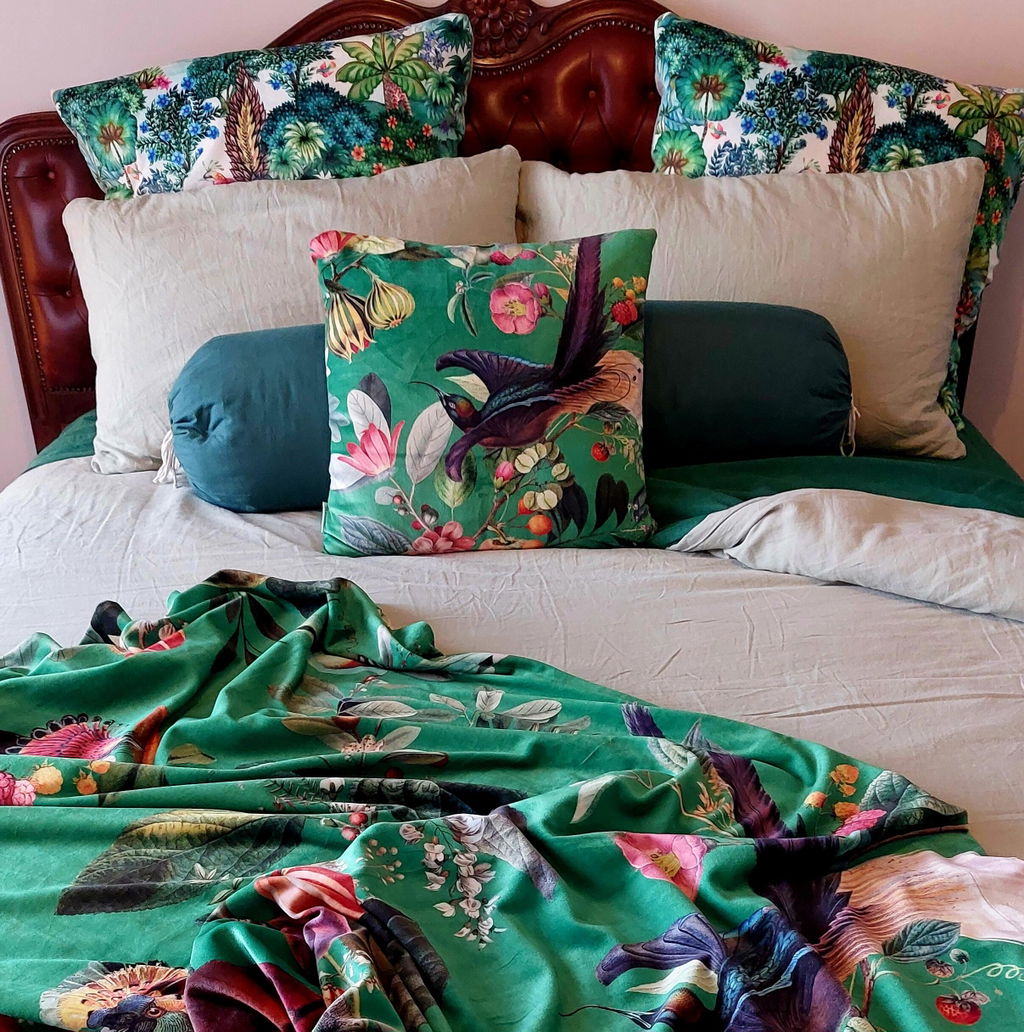
Pure Linen Quilt Cover Set in Forest Green. The hollow-fibre weave allows air to circulate continuously, supporting the body's natural temperature drop through the night. Shop Pure Linen Quilt Cover Set →
The Role of Fabric in How You Sleep
Bedding is the material closest to the body for seven or eight hours each night. That proximity means it has a direct and ongoing impact on comfort throughout the night, even when nothing feels obviously wrong.
Fabrics that trap heat or sit heavily against the skin create a kind of low-level friction. The body responds by adjusting, shifting, and partially waking - not enough to register as a full disruption, but enough to prevent the deeper stages of sleep from holding.
Natural fibres behave differently. Linen, in particular, allows air to circulate while maintaining a comfortable level of warmth. The hollow-fibre structure of flax linen creates consistent airflow between the fabric and the skin, which helps the body regulate temperature without effort. It also wicks moisture efficiently, which matters more than most people realise, especially for anyone who tends to sleep warm or in a climate that changes through the night.
Cotton, when pre-washed to soften the fibres, also offers good breathability with a more immediately familiar feel. Both materials support a more balanced sleep environment, reducing the need for the body to keep adjusting through the night.

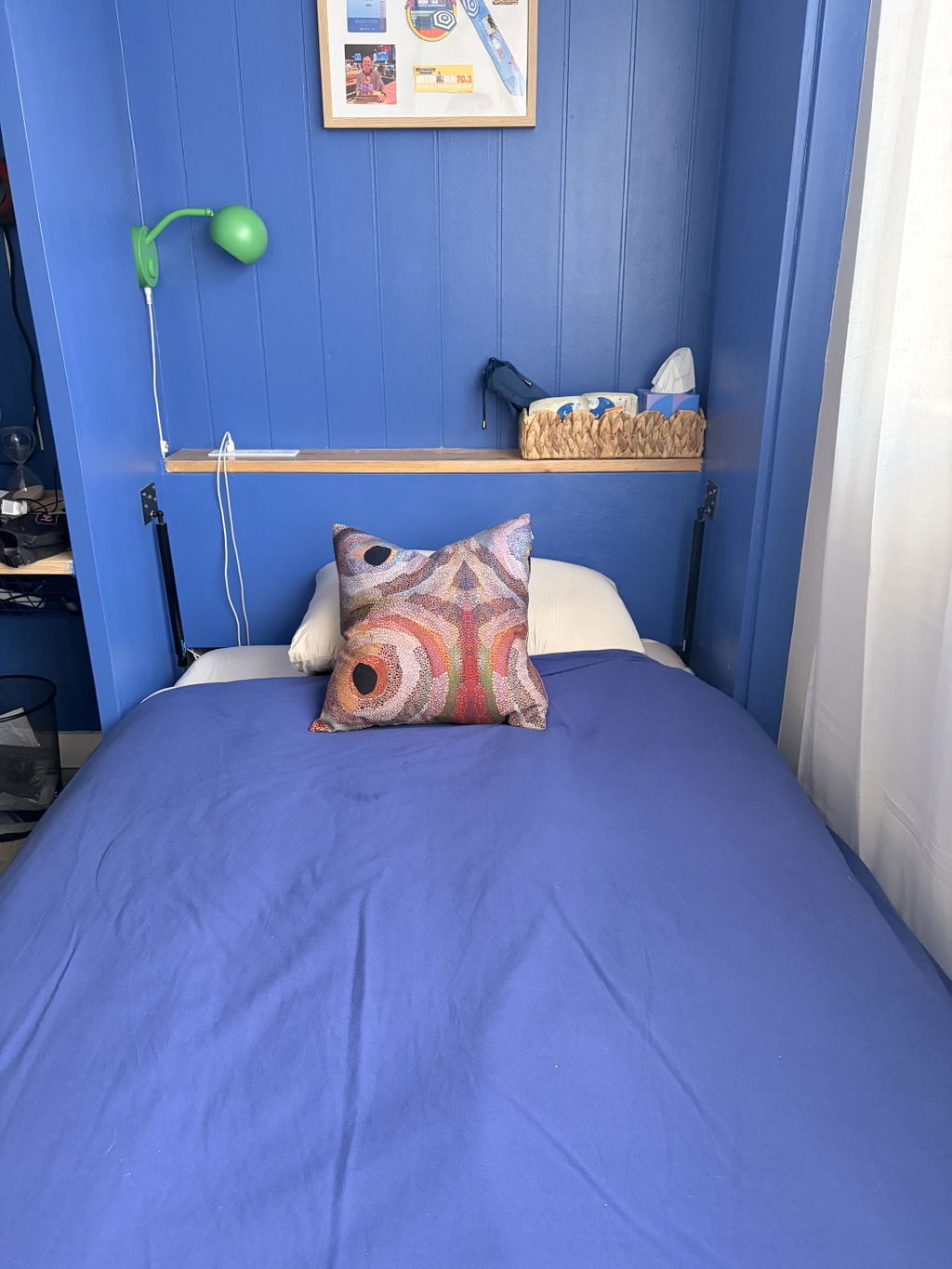
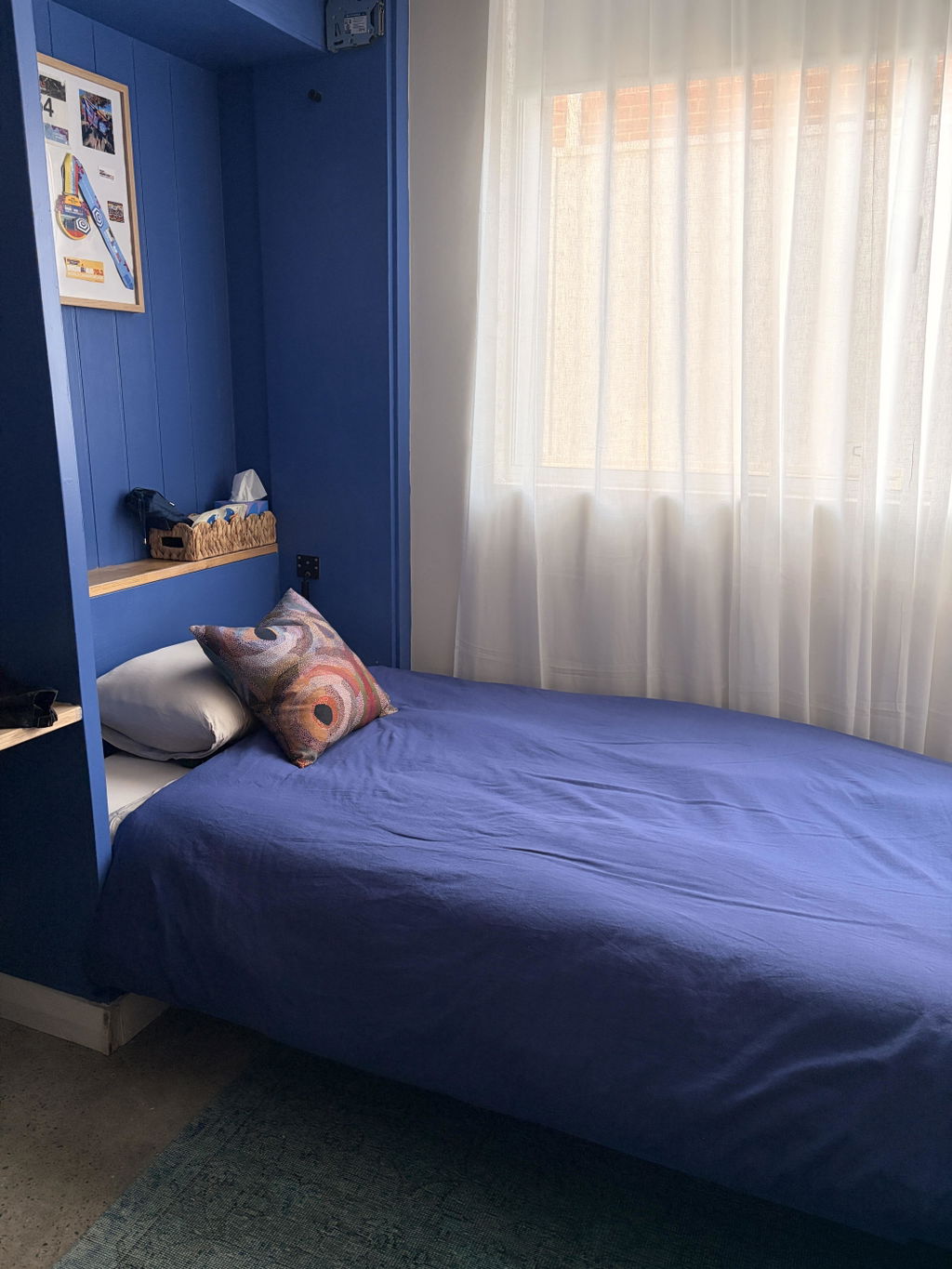
Pure Linen in Ocean Blue. The natural weave breathes consistently through the night, releasing heat rather than holding it. Shop Pure Linen →

Stonewashed Cotton in Blush. Pre-washed for immediate softness with a breathable, relaxed finish from the first night. Shop Stonewashed Cotton →
Light, Sound, and the Environment Around You
Sleep is influenced by the environment in ways that are easy to underestimate because they operate in the background. Light, in particular, plays a significant role in how the body regulates its internal clock.
Even small amounts of artificial light reaching the eyes, from a phone screen, a streetlight through thin curtains, or a standby indicator on a device, can affect how deeply the body rests. The brain interprets light as a signal to stay alert, which works against the transition into deep sleep. Softening the lighting in the evening and reducing brightness in the hour before bed helps signal clearly that the day is done.
Sound works similarly. A consistently calm environment allows the body to settle and stay settled far more easily than one with irregular interruptions. The unpredictability of sound matters as much as the volume - the body responds to change, not just noise. A consistent low background sound is often less disruptive than sporadic quiet punctuated by sudden sounds.
These factors are easy to overlook precisely because they are part of the background. But they shape how the body responds throughout the night in ways that accumulate over time.
The Way the Evening Unfolds
Sleep does not begin when the lights go off. It begins in the hour or two before bed. The way that time is spent has a lasting impact on how easily and how deeply the body transitions into rest.
Fast-paced or stimulating activity in the late evening, whether that is work, scrolling, or anything that keeps the mind running at pace, extends the time it takes for the nervous system to settle. The body needs a runway to land on, not a sudden stop.
In contrast, slower and more repetitive activities help create a sense of rhythm that the body learns to associate with the approach of sleep. Reading, gentle movement, a consistent routine around the bedroom, even just allowing the pace of the evening to drop - these habits do not need to be elaborate. Their effectiveness comes largely from consistency rather than complexity.
Over time, the body begins to anticipate what comes next. The transition into sleep starts to feel less like something that has to be forced and more like something the body is already moving toward.
Cool the room down. Aim for 16 to 20 degrees Celsius. If temperature control is limited, focus on breathable bedding as the primary lever - the fabric closest to the body has a significant impact on how well the body can shed heat through the night.
Reduce light an hour before bed. Switch overhead lights for lamps, dim screens, and where possible remove light sources from the bedroom entirely. Blackout curtains make a significant difference if outside light is an issue.
Create a consistent evening pace. The body responds to pattern. A sequence of quieter activities that repeats each evening gives the nervous system a clear cue that rest is coming, which shortens the time between lying down and falling asleep.
Check what you are sleeping on. Synthetic or heavily processed fabrics trap heat and moisture. Switching to a natural fibre - linen or pre-washed cotton - removes a source of low-level disruption that many people do not realise is affecting their sleep.
Address sound where you can. If the environment is unpredictably noisy, a low consistent background sound such as a fan or white noise can smooth out the irregularity that causes the brain to stay on alert through the night.
Small Disruptions That Add Up
It is rarely a single factor that undermines sleep quality. More often, it is a combination of small disruptions that build over time until the pattern becomes the norm.
A slightly warm room, bedding that holds heat, light that is too present, an evening that stays too active for too long. Each of these may seem minor on its own. Together, they create a sleep environment that is working against the body rather than with it.
Because these factors are subtle, they are easy to dismiss. The sleep does not feel obviously broken - it just never quite feels complete. Addressing even one or two of the key variables often produces a noticeable shift, which is why the changes that seem smallest sometimes have the largest effect.

Pure Linen Quilt Cover Set in Charcoal. A consistent, breathable sleep surface that reduces the low-level disruptions that affect sleep depth. Shop Pure Linen Quilt Cover Set →
Creating a Bedroom That Supports Real Rest
Improving sleep quality often begins with looking at the environment rather than the sleep itself. The bedroom either supports rest or it adds friction to it - and most of the factors that create friction are adjustable.
A cooler room, softer lighting, and breathable bedding create a foundation that works with the body's natural processes. When these elements are aligned, the body is able to settle more deeply and stay settled for longer. The result is sleep that feels genuinely restorative rather than just long enough.
Our Pure Linen range is designed with temperature regulation in mind. The fabric maintains airflow through the night and softens further with every wash, creating a sleep surface that becomes more comfortable over time rather than wearing down. For those who prefer immediate softness, the Stonewashed Cotton range offers a pre-washed, relaxed feel from the first night with good breathability throughout.
| Factor | What Disrupts Sleep | What Supports Sleep |
|---|---|---|
| Temperature | Warm room, heat-trapping bedding | 16-20°C room, breathable natural fibres |
| Bedding fabric | Synthetic or heavily processed materials | Linen or pre-washed cotton |
| Light | Screens, bright overhead lighting, outside light | Dimmed lamps, blackout curtains, no devices |
| Sound | Unpredictable or irregular noise | Consistent background or quiet environment |
| Evening routine | Stimulating activity close to bedtime | Slower, consistent wind-down from 45-60 min before bed |
Rest That Feels Complete
Sleep is not just about how long we spend in bed. It is about how well the body is able to rest during that time. Hours matter, but they are not the whole picture.
When the environment genuinely supports the body, sleep becomes quieter and more consistent. The need to adjust, wake, or shift through the night is reduced. Recovery happens more fully. The difference between a night that was long enough and a night that actually restored something becomes clear.
Often, the improvement is not dramatic at first. It is a gradual settling, noticed over days rather than in a single night. But once the environment is working with the body rather than against it, the gap between how sleep looks and how sleep feels starts to close.
And in many cases, it begins simply with recognising that sleep can feel better than it currently does.
The bedding closest to your body is one of the most direct levers for better sleep. Explore the Pure Linen range for maximum breathability and temperature regulation, or the Stonewashed Cotton range for immediate softness with natural airflow. Both are designed to work with the body rather than against it.