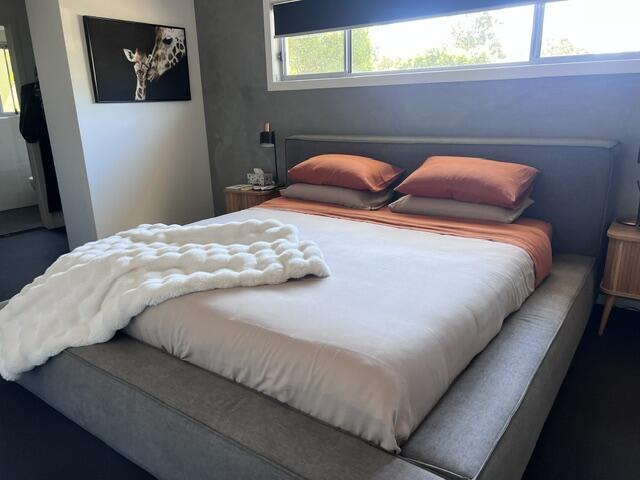
Linen has a reputation problem. Not because it deserves one — but because the myths surrounding it have been repeated often enough that they've started to stick.
It feels rough. It's high maintenance. It wrinkles into a mess. It's only for summer. These are the things people say about linen, usually after a bad experience with a poorly made version, or after taking someone else's word for it.
The reality is different. Well-made linen is one of the most practical, comfortable, and durable bedding materials you can buy. But it does behave differently to cotton or synthetic blends — and understanding how it works changes everything about how you experience it.
Here are the five most common linen myths, and what's actually true.
Myth 1: Linen feels rough and scratchy
Where it comes from: cheap linen. Short-staple flax fibres, tightly woven and poorly finished, can feel coarse — especially when new. If that's the first linen you encounter, it's easy to write off the whole category.
High quality linen made from long-staple flax fibres is a different material entirely. It has texture — that's part of its character — but it doesn't scratch. And unlike fabrics that feel good initially and decline with use, linen softens progressively over time.
The first few washes allow the fibres to relax. After six months of regular use, the surface is noticeably smoother. After a year, it's often the softest thing on the bed. The fabric doesn't wear out — it wears in.

The texture of quality linen is part of its appeal — and it softens significantly with every wash.
Pure Linen — woven from long-staple French flax fibres, designed to soften naturally over time. Available in Flax, Warm Taupe, Ivory White, Terracotta, and more.
Myth 2: Linen is difficult to care for
This one might come from confusion with linen clothing — structured linen jackets or trousers that need careful handling. Linen bedding is a different situation entirely.
Flax fibre is naturally strong. It handles frequent washing without weakening, which is part of why linen has been used for household textiles for centuries. You don't need a special cycle, special detergent, or special anything.
A standard 30–40°C wash with a gentle detergent is all it needs. Avoid high heat in the dryer — not because linen can't handle it, but because it's unnecessary and can accelerate wear over time. Air drying is ideal, particularly because linen dries quickly. But if you're tumble drying, a low-moderate setting is fine.
If anything, linen is more forgiving than people expect. It doesn't pill. It doesn't trap odour. It comes out of the wash looking relaxed and ready to use.

Linen care is simpler than most people expect. A standard cool wash is all it takes.
Myth 3: Linen wrinkles too much
Linen does wrinkle. That's true. But whether that's a problem depends entirely on how you think about it.
Most fabrics that don't wrinkle achieve that either through synthetic fibre blends or chemical finishes applied during manufacturing. Linen has neither. What you see in the gentle creases across a linen bed is the fabric behaving exactly as it should — responding naturally to use and movement.
The wrinkles in quality linen are soft, not sharp. The fabric folds rather than creases. Once you've made the bed and smoothed the surface, the overall look is relaxed and considered — not dishevelled. It photographs well. It feels intentional.
And with time, even this changes. As the fibres relax through washing and use, linen tends to settle more naturally after each wash. The surface stays textured but becomes increasingly easy to manage.
If perfectly pressed bedding is the goal, linen probably isn't the right choice. But for bedrooms designed around comfort and natural materials, the way linen falls is part of what makes it feel right.

The natural fold of linen is part of its aesthetic. It looks considered, not careless.
Myth 4: Linen is only for summer
This is the myth that probably costs linen the most unfair comparisons. Because linen is known for breathability and keeping you cool, people assume it's a warm-weather fabric and pack it away in autumn.
Linen's breathability isn't just about keeping you cool — it's about temperature regulation. The open weave of flax fibre allows air to circulate, which means warmth can build gradually around the body without becoming trapped. In cooler months, that's exactly what you want. The bed stays warm without becoming stuffy or overheated.
This is why linen performs well year-round. In summer, it releases excess heat. In winter, it holds enough warmth to feel comfortable without the heaviness of heavier synthetic alternatives. The fibre adapts to the environment rather than holding a fixed temperature.
Pairing a linen quilt cover with a warmer inner insert is all that's needed for winter comfort. The linen itself doesn't need to change.

Linen regulates temperature in both directions — which is why it works year-round.

Pure Linen in Warm Taupe. The same set, year-round.
Myth 5: Linen doesn't last as long as other fabrics
This one is almost the opposite of the truth. Flax — the plant linen is made from — produces one of the strongest natural fibres used in textiles. Linen has historically been the fabric of choice for items that needed to withstand heavy use and frequent washing, from sails to hospital bedding to household linens passed between generations.
The reason linen has such longevity is structural. The fibres are long, smooth, and naturally strong. When woven well, they hold their structure through repeated washing without weakening significantly. There's no synthetic coating to wear off, no chemical finish that washes out. What you have after ten years of use is essentially the same material — just softer.
Compare that to synthetic blends, which begin to pill, thin, and degrade from the first year of regular washing. Or short-staple cotton, which loses structure and softness relatively quickly. Linen simply outlasts both.
For bedding specifically, that longevity changes the value calculation. A quality linen set bought once and used for eight to ten years costs less per use than replacing a cheaper alternative every two to three years.

Quality linen outlasts most alternatives — and gets better while it does.
What linen actually is
Set the myths aside and what remains is a fabric with a genuinely unusual combination of qualities. It's breathable and temperature-regulating. It's strong and long-lasting. It softens with use rather than declining. It requires no special care. And it develops a relaxed, lived-in quality that most fabrics simply don't have.
None of that means linen is for everyone. If you prefer perfectly smooth bedding or find texture uncomfortable, it might not be the right fit. But if those things don't bother you — or if you've been put off linen by a bad experience with a cheaper version — it's worth reconsidering.
The version of linen that scratches, wrinkles badly, or falls apart quickly is not what quality linen looks like. It's worth experiencing the difference before writing it off.

Five myths. Five facts. One fabric worth reconsidering.
A fabric that rewards time
The most distinctive thing about linen isn't any single quality — it's the direction of change. Most materials start at their best and decline. Linen starts good and gets better. Every wash softens the fibres slightly. Every night of use helps the fabric relax further into itself.
After a few months, your linen sheets feel different to when you bought them. After a year, noticeably different. That gradual improvement is something you simply don't get with synthetic blends or lower quality cotton.
It's also what makes linen the kind of thing people keep. Not because they have to, but because it keeps earning its place on the bed.

Pure Linen. Better with every wash.
Ready to try linen for yourself?
Shop Pure Linen →