Most travel advice about jet lag focuses on melatonin timing and staying hydrated. Both are useful. Neither addresses the core of what's actually happening to the body when you cross multiple time zones, or why some people recover in a day or two while others spend a full week feeling like they're watching themselves from a slight delay.
Jet lag is a genuine circadian disruption. Your internal clock, the 24-hour biological rhythm that governs sleep, wakefulness, hormone release, digestion, and body temperature, runs on the time zone you left. The destination operates on a completely different schedule. Daylight arrives at the wrong hour. Mealtimes land when your stomach isn't ready. And bed, when you finally get there, comes either too early or too late for a body that still thinks it's somewhere else.
The good news is that the circadian system is adaptable. It resets through specific inputs, and understanding which inputs matter most gives you real leverage over how quickly and completely you recover. Whether you're travelling for work, a family trip, or a long-haul holiday, the strategies below will meaningfully reduce how disruptive the transition is, both on the road and when you finally come home.
What Jet Lag Is Actually Doing to Your Body
The circadian rhythm is set and maintained primarily by light. The suprachiasmatic nucleus, a small region of the brain that functions as the body's master clock, receives direct input from the retina and uses it to calibrate the timing of dozens of downstream biological processes. When that light signal arrives at the wrong time relative to your internal schedule, the clock needs time to shift. It can only do so by about one to two hours per day, which is why crossing ten time zones doesn't reset in a night.
During that adjustment window, systems that normally operate in synchrony fall out of phase with each other. Core body temperature, which should be falling in the evening and rising toward morning, is timed to the wrong clock. Cortisol, which naturally peaks in the early morning to promote alertness, may be surging at midnight local time. Melatonin, which should be rising as darkness falls, may be scheduled for midday. The result isn't just feeling sleepy at odd hours. It's a full-body desynchronisation that affects mood, cognitive performance, digestion, immune function, and physical recovery.
The direction of travel matters too. Eastward travel is consistently harder than westward, because advancing the clock (waking and sleeping earlier) goes against the body's natural tendency to drift slightly later. Most people's circadian rhythm runs slightly longer than 24 hours, which means delaying the clock feels more natural than advancing it. If you've ever found a westward long-haul significantly easier to shake off than an equivalent eastward trip, this is why.
Jet Lag by the Numbers
1 day per zone
The generally accepted rule for full circadian adjustment: one day of recovery per time zone crossed
2–3x
Longer to fall asleep and more frequent night waking reported by long-haul travellers in the first 48 hours at destination
Eastward harder
Travelling east is consistently more disruptive than west, as advancing the body clock runs against its natural drift
Before You Fly: The Preparation Window
The most underused tool in jet lag management is pre-trip preparation. Most people do nothing to adjust their circadian timing before a long-haul flight, then wonder why the first few days at destination feel so rough. A modest investment of two to three days before departure can meaningfully compress the adjustment period on arrival.
For eastward travel, start shifting your sleep window earlier by 30 to 60 minutes per night in the days leading up to the flight. Get morning light exposure as early as possible, which is the most powerful cue for advancing the clock. Avoid bright light in the late evening. These adjustments won't fully pre-adapt you to the destination time zone, but they narrow the gap your body needs to bridge on arrival.
For westward travel, the adjustment is less demanding but still worth supporting. Allow your sleep to run slightly later in the days before you fly. Evening light exposure, including screens, is less problematic here than it usually would be, since you're trying to delay the clock rather than advance it. The goal is to arrive at the destination already running a little closer to local time.
Hydration matters more than most people act on. Aircraft cabins run at humidity levels of 10 to 20 percent, well below the 30 to 60 percent most people are used to. Dehydration accelerates fatigue, impairs cognitive performance, and makes the physical discomfort of long-haul travel significantly worse. Starting flights already well-hydrated and maintaining it throughout, prioritising water over alcohol, makes a genuine difference to how you feel on landing.
Sleeping on the Plane: What Actually Works
In-flight sleep is one of the most frequently attempted and least successfully executed parts of long-haul travel. The cabin environment works against almost every requirement for decent sleep: the seats are upright or only partially reclined, the air is dry and recycled, lighting is often inconsistent, noise is constant, and the temperature swings between too warm and uncomfortably cold depending on where you're sitting and what's happening with the ventilation.
The single most effective intervention is timing your sleep to the destination's night, rather than to your current body clock. If your destination is twelve hours ahead, sleep when it's night there, not when you're tired. This is uncomfortable initially, particularly if it means staying awake for the first several hours of the flight. But it accelerates the clock shift and means you arrive closer to being synchronised with local time.
Blocking light is essential for in-flight sleep. A good eye mask removes the inconsistent cabin lighting that suppresses melatonin and signals wakefulness. Noise-cancelling headphones or foam earplugs significantly reduce the background cabin noise that keeps the brain in a lower level of alert even when you're trying to sleep. Neither is a luxury for long-haul travel. They're functional sleep tools.
Melatonin, taken at the right time rather than whenever you feel tired, is one of the few supplements with genuine evidence behind it for circadian adjustment. For eastward travel, 0.5 to 1mg taken at the destination's local bedtime can help advance the clock. The dose matters: higher doses (the 5 to 10mg commonly sold) produce sedation but don't necessarily improve circadian timing more effectively than lower doses. Timing is more important than quantity.
Keep movement through the flight a priority. Compression socks, regular walks through the cabin, and ankle circles help prevent the circulation issues that compound post-flight fatigue. A body that has been sitting still in a pressurised cabin for fourteen hours arrives significantly more depleted than one that kept moving, even modestly.

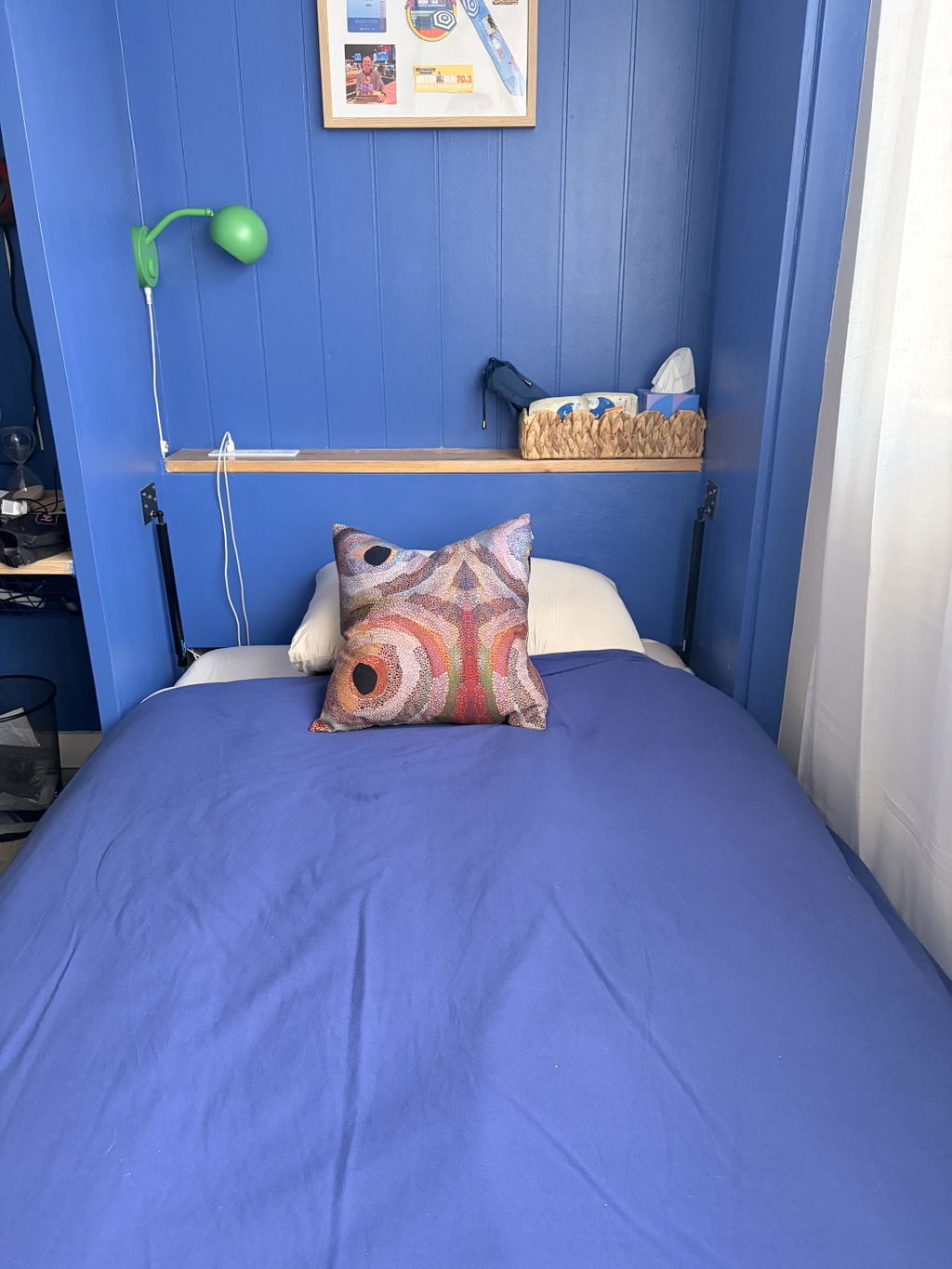
Pure Linen Quilt Cover Set in Terracotta. Breathable, temperature-regulating linen that supports the body's natural sleep cycle at any time zone. Shop Pure Linen Quilt Cover Set →
The First 48 Hours at Your Destination
The first two days after arrival are where the circadian reset either gains traction or stalls. How you manage light, sleep, and activity during this window has a disproportionate effect on the rest of the trip.
Light is the master variable. Getting outdoor daylight exposure in the morning on arrival days is the single most effective tool for shifting the body clock to local time. Even 20 to 30 minutes of outdoor light in the first few hours after waking anchors the circadian system to the new time zone and begins the cascade of hormonal adjustments that follow. Indoor lighting, including brightly lit hotel lobbies and fluorescent offices, doesn't produce the same effect with the same efficiency. The light has to come from outside.
Staying awake until local bedtime on the first day is uncomfortable but worth it. Napping during the day at the destination delays the clock reset and tends to create a cycle of night waking and daytime fatigue that extends the adjustment period. If you genuinely cannot stay awake, a short nap of 20 to 30 minutes before 3pm local time is a reasonable compromise. Anything longer or later will interfere with night sleep.
Eat to local meal times from day one. The digestive system is also governed by circadian rhythms, and eating at destination meal times provides a secondary clock-setting signal that supports the adjustment being driven by light. Forcing meals at your origin's schedule keeps a competing set of circadian cues running and slows the overall reset.
Exercise, particularly aerobic activity outdoors during daylight hours, accelerates recovery. It combines the light signal with a temperature and metabolic shift that reinforces the new schedule. Even a brisk 30-minute walk in the morning is more effective than staying inside regardless of how tired you feel.
Why Sleep Environment Matters More When You're Jet Lagged
When the circadian system is disrupted, sleep is already fragile. The body's normal ability to self-regulate through the night, managing temperature, transitioning between sleep stages, and handling mild environmental disruptions without waking, is compromised. Small problems that you might sleep through at home become genuine interruptions when you're jet lagged.
Temperature is the variable that causes the most trouble. The circadian temperature rhythm, the gradual drop in core body temperature that initiates and maintains deep sleep, is misaligned when you're jet lagged. This means the body may struggle to make the temperature shift at local bedtime, or make it at the wrong hour and wake at 3am feeling alert and too warm. A sleep environment that actively supports the temperature drop, rather than working against it, reduces the friction on an already-compromised system.
Hotel bedding is notoriously inconsistent. Most hotel quilt covers and sheet sets are polyester or polycotton blends designed to look clean and presentable rather than to perform well as a sleep surface. They trap heat, manage moisture poorly, and often feel stiff or synthetic against the skin. For someone whose thermoregulation is already off-cycle, sleeping under fabrics that impede heat release makes the already-disrupted transition into deep sleep that much harder.
A few adjustments make a meaningful difference: request extra pillows to help with positioning, ask for the room to be set to the cooler end of the available range, and consider cracking a window if the environment allows it. If you travel frequently for work or extended trips, a lightweight linen travel pillowcase is worth the small additional bag weight for the improvement in sleep surface quality it provides.

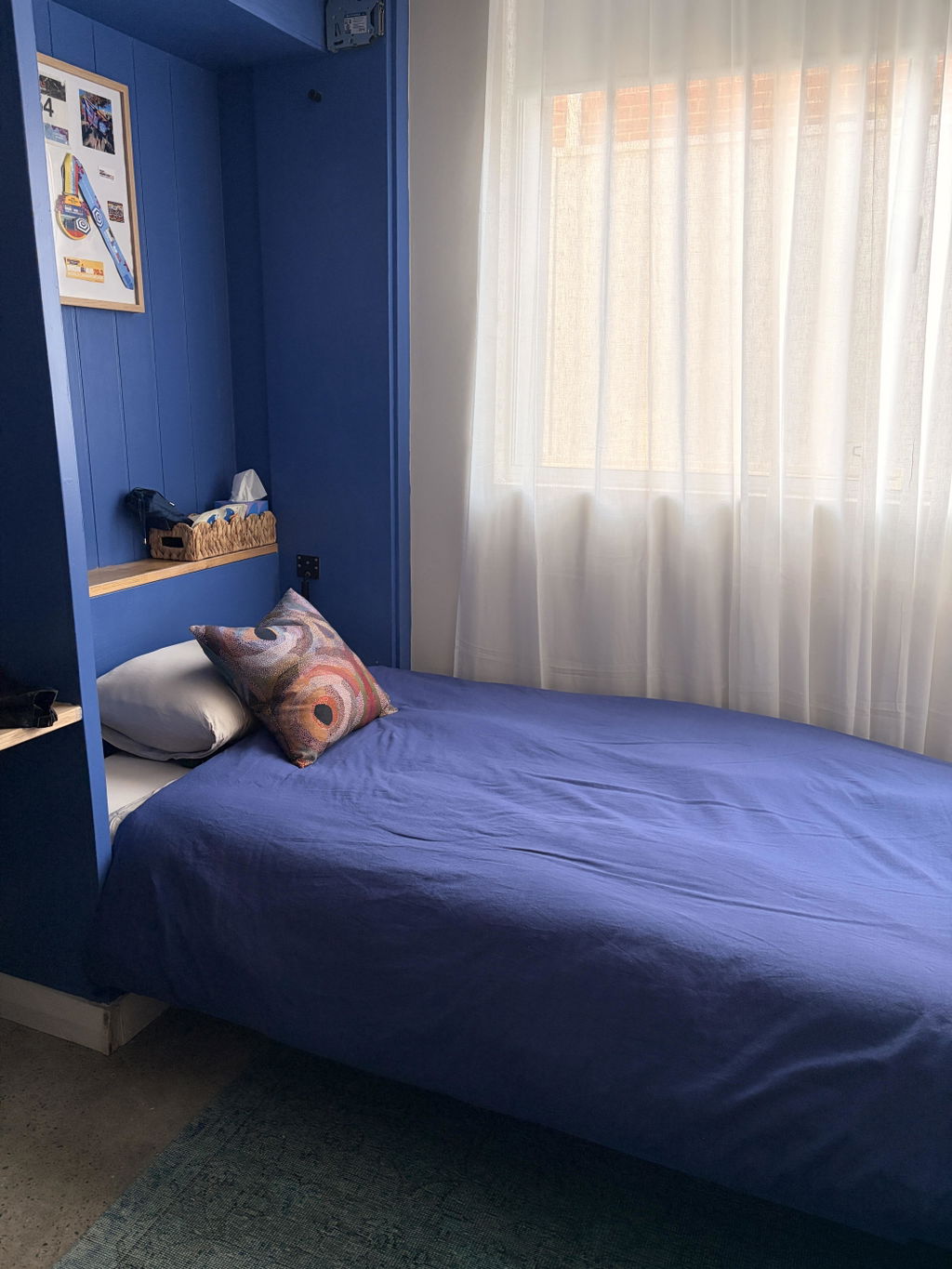
Pure Linen Quilt Cover Set in Sage. Naturally temperature-regulating linen that helps the body maintain its cooling cycle through the night. Shop Pure Linen Quilt Cover Set →

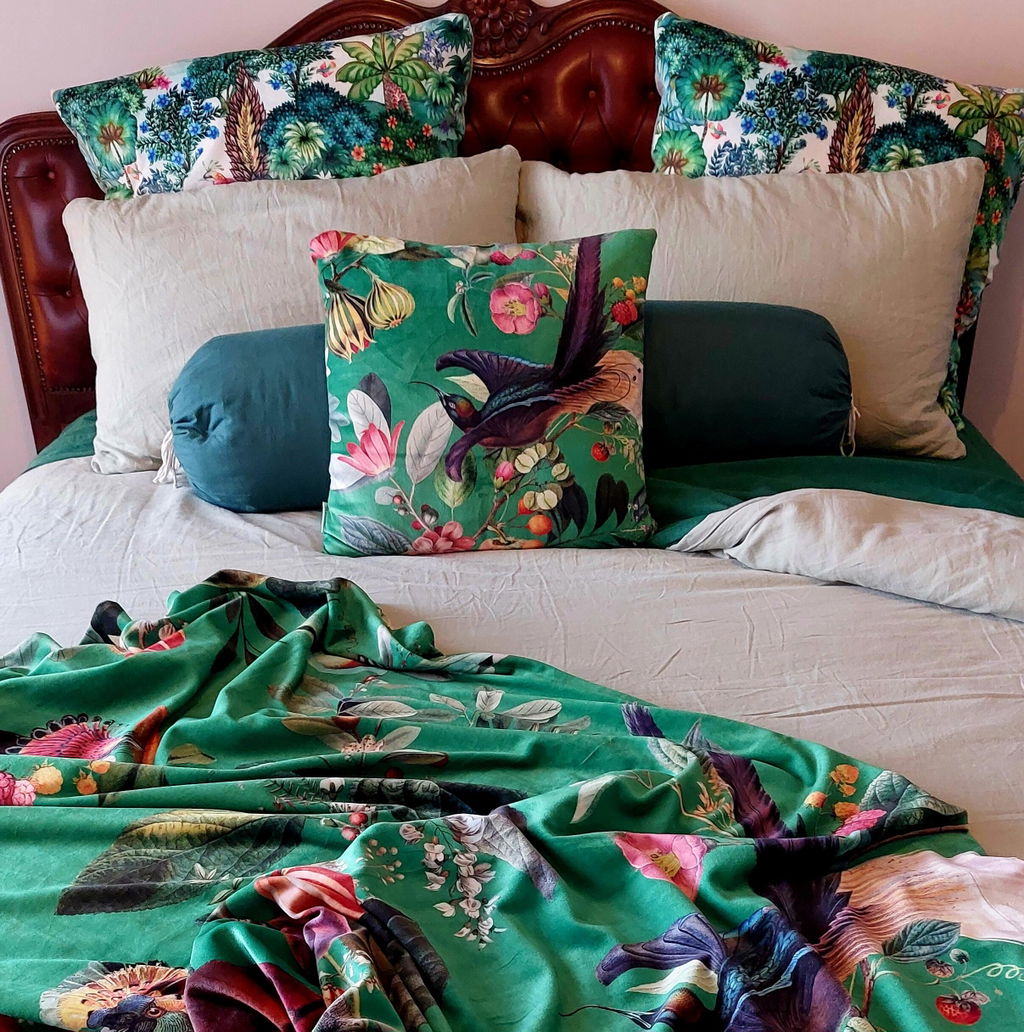
Washed Cotton Quilt Cover. Pre-washed for immediate softness, with better breathability than synthetic hotel bedding. Coming home to a familiar surface helps the circadian reset land faster. Shop Washed Cotton Quilt Cover →
Your Recovery Protocol: Getting Back on Track
Whether you're trying to shake jet lag at the destination or resetting after returning home, the same core levers apply. Here's a practical sequence that works with the biology rather than against it.
Anchor to local light immediately. Get outside within an hour of waking on the first day at your destination, or the first day home. Morning daylight is the most powerful single input for resetting the circadian clock. Even on an overcast day, outdoor light is significantly brighter than indoor lighting and produces a stronger clock-setting effect.
Eat at local meal times, even if you're not hungry. Digestion is clock-driven. Eating at destination meal times reinforces the new schedule and signals to the peripheral clocks in the gut, liver, and pancreas that the schedule has shifted. This secondary signal matters alongside light exposure for a complete reset.
Use low-dose melatonin at the right time, not whenever you feel tired. For eastward adjustment, take 0.5 to 1mg at the destination's bedtime for the first two to three nights. For westward return, it's typically less necessary unless you find yourself lying awake in the early hours. The goal is timing, not sedation.
Keep the bedroom cool and dark. Blackout curtains or a sleep mask are essential if you're waking too early with the light. A cool room supports the temperature drop that your disrupted circadian rhythm is struggling to maintain. Both reduce early-morning waking, which is the most common jet lag symptom on the return leg of eastward travel.
Get back into your normal sleep environment as quickly as possible. Familiar sensory cues, including the feel and smell of your own bedding, are powerful conditioned triggers for sleep. The faster you re-establish your home sleep environment after returning, the faster the body recognises and responds to it. This isn't sentimentality. It's how conditioned relaxation works.
Coming Home: Why Your Bedding Is Part of the Reset
One of the most underappreciated aspects of jet lag recovery is how much the quality of your home sleep environment matters after you return. You've spent days sleeping in unfamiliar beds, often on synthetic fabrics with inconsistent temperature management, in rooms that don't have the sensory associations your brain has built up around sleep at home. The faster you re-establish those associations, the faster the circadian system anchors to home time.
This is where the material quality of your bedding becomes directly relevant to how quickly you recover. A bed that your body recognises, that feels familiar, breathable, and comfortable against the skin from the moment you get in, gives the brain a strong, reliable sleep cue to work with. Breathable natural fibres also support the thermal regulation that jet lag disrupts: getting into a cool, well-ventilated linen bed on return from a long-haul flight gives the body better conditions for the temperature drop it needs to initiate and sustain deep sleep.
Our Pure Linen range sits at the performance end of the breathability spectrum. The natural hollow-fibre structure of French flax linen allows consistent airflow between the fabric and the skin, releasing heat rather than trapping it and wicking moisture efficiently through the night. For anyone whose sleep runs warm, or whose thermoregulation is already compromised from travel fatigue, linen removes one of the most common barriers to deep, restorative sleep.
Our Stonewashed Cotton range offers a softer, more familiar starting point. Pre-washed to remove any stiffness before it reaches you, it delivers immediate comfort and breathes significantly better than synthetic alternatives. If the texture of linen feels new to you, stonewashed cotton is a natural first step toward a sleep surface that's working with your body rather than just filling the bed.

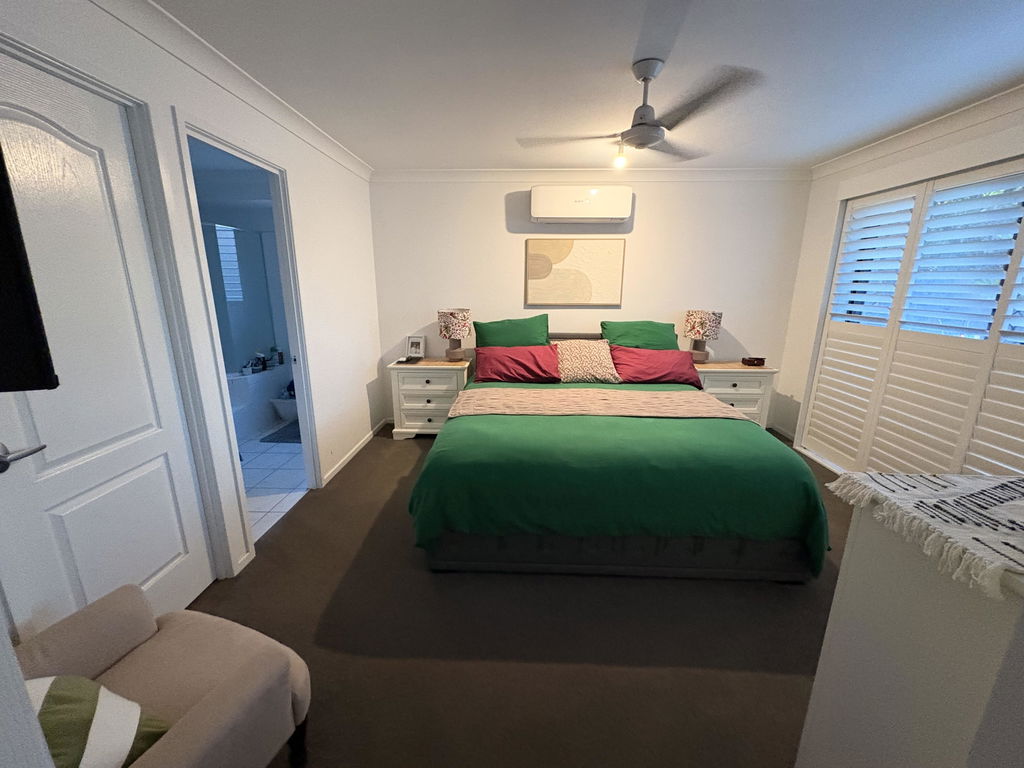
Washed Cotton Quilt Cover, close-up texture detail in Milk. Pre-washed for immediate softness. A familiar, breathable sleep surface helps the circadian system re-anchor to home time faster after travel. Shop Washed Cotton Quilt Cover →
Travel will always disrupt sleep to some degree. That's not something to eliminate. It's something to manage well. When you understand what's actually happening in the body across time zones, and make deliberate choices around light, timing, and environment, the disruption shrinks from days to hours. You land more functional, perform better on the road, and come home to a sleep environment that helps you recover faster than the trip depleted you.
The body's circadian system is remarkably good at resetting when it has the right conditions to work from. Give it those conditions, and jet lag stops being a week-long ordeal and becomes a manageable two-day adjustment. Most of the difference comes down to what you know and what you've set up before you leave.
Returning from a long-haul trip? Give your body the best conditions to reset. Explore the Pure Linen range for maximum breathability and temperature regulation, or the Stonewashed Cotton range for immediate softness and a familiar, comfortable sleep surface that helps the circadian clock land back home.