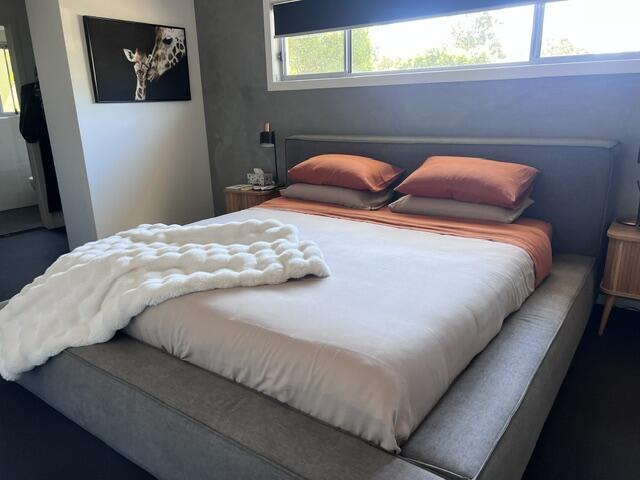
Choosing bedding often feels simpler than it really is. Many people default to what looks good or feels familiar, without realising how much fabric choice influences sleep comfort, temperature regulation, and even how rested they feel in the morning.
Linen and stonewashed cotton are two of the most popular natural fibre options for people who care about sleep quality and long-term comfort. Both are breathable, durable, and far removed from the shiny, heat-trapping synthetics that dominate much of the bedding market. But they behave differently on the bed, and those differences matter depending on how you sleep.
This guide is designed to help you understand how linen and stonewashed cotton feel, perform, and age over time, so you can choose the fabric that genuinely suits your sleep style. Not based on trends or urgency, but on comfort, practicality, and how you want your bedroom to support you night after night.
Why fabric choice matters more than most people realise
During sleep, your body is constantly working to regulate temperature and moisture. Even if you do not consider yourself a hot sleeper, your body releases heat and perspiration throughout the night. The fabric closest to your skin plays a major role in how effectively that heat and moisture can escape.
Poorly breathable materials trap warmth and humidity, which can lead to restlessness, night waking, and that familiar 3 am discomfort. Over time, these small disturbances add up, affecting sleep depth and morning energy.
Natural fibres like linen and cotton support better airflow and moisture balance. But their structure, texture, and finishing processes influence how they feel and function.
Understanding linen bedding
Linen is made from the fibres of the flax plant. These fibres are naturally hollow, which allows air to circulate more freely through the fabric. This structure is the reason linen is so effective at regulating temperature across seasons.
In warmer conditions, linen releases heat and moisture quickly, helping the bed feel cooler and drier. In cooler weather, it adapts by retaining just enough warmth without becoming stifling.
Linen also has excellent moisture-wicking properties. It can absorb a significant amount of moisture without feeling damp, then release it back into the air. This creates a sleep environment that feels fresh rather than clammy.
From a sensory perspective, linen has a distinctive texture. It is crisp, relaxed, and lightly structured. New linen can feel firmer at first, particularly for those used to very smooth cotton or synthetic sheets. Over time and with regular washing, linen softens naturally while maintaining its strength.

Who linen suits best
Linen tends to suit sleepers who:
-
Sleep hot or experience night sweats
-
Wake during the night due to temperature changes
-
Live in warmer or humid climates
-
Prefer a relaxed, breathable, lived-in feel
-
Value durability and long-term use
Because linen discourages excessive moisture buildup, it is often more comfortable for people with sensitive skin or those prone to overheating.
Understanding stonewashed cotton bedding
Cotton is widely loved for its softness and familiarity. Stonewashed cotton takes this a step further through a finishing process that gently softens the fibres before the fabric ever reaches your bed.
During stonewashing, the cotton fabric is washed with natural stones or similar abrasives. This process breaks down stiffness in the fibres, creating a fabric that feels relaxed, supple, and smooth from the first night.
Stonewashed cotton remains breathable, but it feels more enveloping than linen. It tends to hold warmth slightly better, which many people find comforting, especially in cooler months or air-conditioned spaces.
The texture of stonewashed cotton is soft without being slippery. It has a matte, natural finish that feels calm and familiar against the skin.

Who stonewashed cotton suits best
Stonewashed cotton often works well for sleepers who:
-
Prefer immediate softness with no break-in period
-
Sleep cool or feel cold easily at night
-
Like a smoother, more traditional sheet feel
-
Want easy care and predictable comfort
-
Share a bed with someone sensitive to texture changes
It is a strong choice for people who want comfort without adjustment and appreciate a fabric that feels inviting from day one.
Linen vs stonewashed cotton: key differences that matter
| Feature | Pure Linen | Stonewashed Cotton |
|---|---|---|
| Breathability & temperature | Feels cooler and drier during sleep, particularly suited to warm sleepers or humid climates. | Feels slightly warmer and more cocooning, which can be comforting but less ideal for those who overheat. |
| Texture & feel | Lightly structured and airy with a relaxed, lived-in texture. | Smooth and soft from day one with a more uniform hand feel. |
| Comfort preference | Ideal for those who prefer a crisp, breathable sleep environment. | Well suited to those who prefer a softer, more enveloping feel. |
| Durability | Exceptionally strong fibres that last for many years with proper care. | Durable and hard-wearing, though slightly less robust over very long periods compared to high-quality linen. |
| Care & ageing | Becomes softer and more characterful with every wash. | Maintains a consistent softness and appearance over time. |
How both fabrics support healthier sleep environments
Both linen and stonewashed cotton support better sleep compared to synthetic alternatives, particularly in terms of breathability and moisture control.
By allowing air to move freely, natural fibre bedding reduces the likelihood of heat and humidity becoming trapped around the body. This can help minimise night waking and discomfort.
Natural fibres are also less hospitable to dust mites compared to moisture-trapping synthetics. While no fabric is dust-mite proof, breathable materials create a drier environment that is less favourable for allergen buildup.
For people sensitive to stuffiness, congestion, or temperature fluctuations, these properties can make a noticeable difference in how restful sleep feels.
Choosing based on season or layering
Some people do not need to choose one fabric exclusively. Linen and stonewashed cotton can be layered or alternated depending on the season.
Linen sheets paired with a stonewashed cotton duvet cover can offer breathability underneath with a softer, warmer feel on top. In winter, stonewashed cotton sheets can feel comforting, while linen returns as temperatures rise.
This flexible approach allows your bedding to adapt to your needs throughout the year rather than forcing one solution for every season.
How thoughtful bedding design makes a difference
Beyond fibre choice, the way bedding is designed and finished affects performance. Factors like weave, fabric weight, and construction influence airflow, durability, and how the bedding feels night after night.
At The Honest Label, linen and stonewashed cotton collections are designed with everyday use in mind. The focus is on natural fibres, balanced weights, and finishes that prioritise comfort rather than artificial sheen or exaggerated thread counts.
This design approach supports the natural strengths of each fabric, allowing linen to breathe freely and cotton to feel soft without losing structure.
How to decide which suits you
If you are unsure which fabric suits you best, consider these questions:
-
Do you wake up feeling hot or sweaty?
-
Do you prefer a crisp, airy feel or a soft, enveloping one?
-
Is your bedroom climate warm, cool, or variable?
-
Do you value immediate softness or long-term evolution in texture?
Your answers will often point clearly toward linen or stonewashed cotton.
A choice rooted in comfort, not pressure
Choosing bedding is not about following trends or upgrading for the sake of it. It is about creating a sleep environment that works with your body and your lifestyle.
Linen and stonewashed cotton both offer meaningful benefits. The right choice depends on how you sleep, how your bedroom feels, and what kind of comfort you want to return to each night.
By understanding these differences, you can choose with confidence, knowing your bedding is supporting better rest in a quiet, consistent way.